DISCLAIMER — The resources listed below are for educational and informational purposes only. They are not a substitute for personalised clinical advice. If you are experiencing health symptoms, please consult a qualified practitioner. Supplement recommendations are general — individual needs vary significantly based on testing, health status, and biochemical individuality.

Clinical note — home monitors are pattern tools, not diagnostic tools. A blood pressure reading taken in isolation tells you less than a series of readings taken consistently at the same time of day in the same position. The value is in trends over weeks, not single measurements.
Whole body vibration at 25–50Hz drives lymphatic drainage by the same cyclical loading mechanism as rebounding — but without any impact load, at higher frequency, and accessible to people who cannot jump. The vibration also stimulates fast-twitch muscle fibres, improves proprioception, and accelerates post-exercise recovery. Power Plate is used clinically for neurological rehabilitation, lymphoedema management, and in functional medicine for people with ME/CFS or post-viral fatigue where impact exercise is contraindicated. If you have access to one — gym, physio clinic, or home unit — use it. Ten minutes of whole body vibration before a session supports lymphatic clearance in a way that's difficult to replicate any other way.
powerplate.com → (affiliate programme — enquire directly)One caveat worth stating clearly: liver is the most potent source of retinol (pre-formed vitamin A) available. For pregnant women, the upper safe limit for retinol is 3,000 mcg/day. A 100g serving of beef liver contains approximately 5,000-10,000 mcg. Desiccated liver supplements are lower dose but still relevant. Pregnant women should follow NHS guidance on liver consumption during pregnancy.
Each month a deep-dive into one supplement, one medicinal herb, and one functional recipe — the mechanism, the evidence, the form that matters, and when testing confirms it's relevant. No affiliate motivation. No generic wellness advice. Just the clinical picture.
Not practitioner-grade, but reputable consumer options for the supplement categories covered in the monthly series. These are starting points — the right supplement at the right dose for the right reason always comes from testing first. Amazon Associate links — purchases support this site at no extra cost to you.
Not all supplements are equal. Raw ingredient purity, bioavailability, manufacturing standards, and third-party testing vary enormously across the market. The brands below represent the clinical standard I use in practice — available through practitioner accounts, UK distributors, or direct. They cost more than consumer-grade products because the formulation and quality control costs more. The difference matters clinically.
Professional-grade supplements are available through my Fullscript dispensary for US clients. UK clients — contact me directly for practitioner-grade recommendations from the brands above. The products below are general consumer-grade options available on Amazon for those without access to practitioner dispensaries.
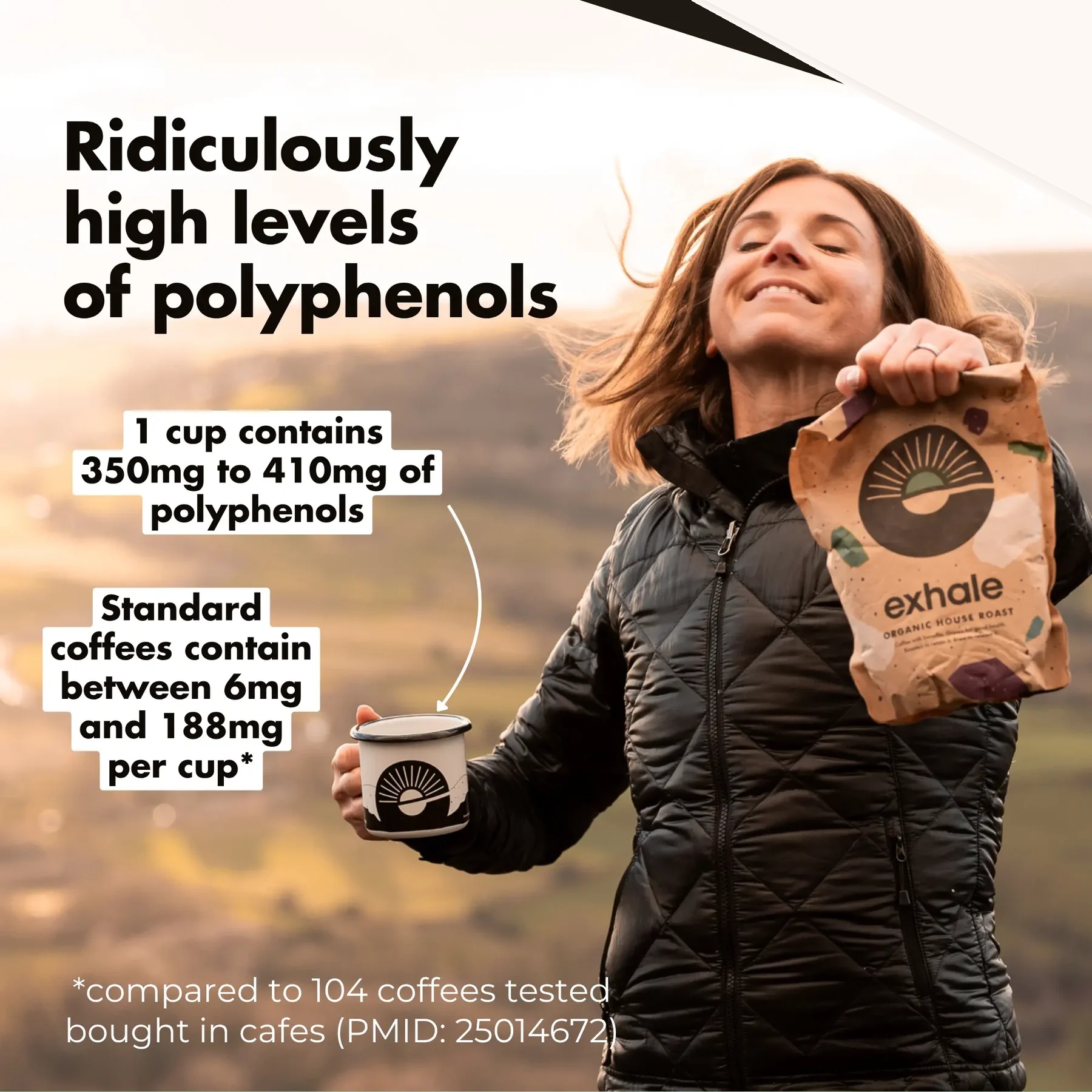
Coffee isn't inherently harmful — for many people it's a net positive. The problem is mycotoxins: ochratoxin A and aflatoxin contamination in conventionally sourced beans. If your OAT test shows elevated mycotoxin markers, the first question I ask is about your coffee. Switching to a tested, mycotoxin-free source is one of the simplest environmental load reductions you can make.
I'm not going to tell you never to drink. What I will tell you is that conventional wine carries a sulphite load that burdens liver detoxification pathways, a histamine load that triggers reactive clients, and a pesticide residue that biodynamic and organic options avoid. If you're going to have a glass, make it one that minimises the biochemical cost. Low-sulphite, organic, or biodynamic wines are a reasonable harm-reduction strategy — particularly for clients with elevated liver markers, histamine intolerance, or anyone in an active detox protocol.
Additional smart choice recommendations are being evaluated, including metabolic tracking devices and respiratory monitoring tools. Products are only added here after clinical evaluation and — wherever possible — personal testing. Check back or subscribe to the blog for updates.
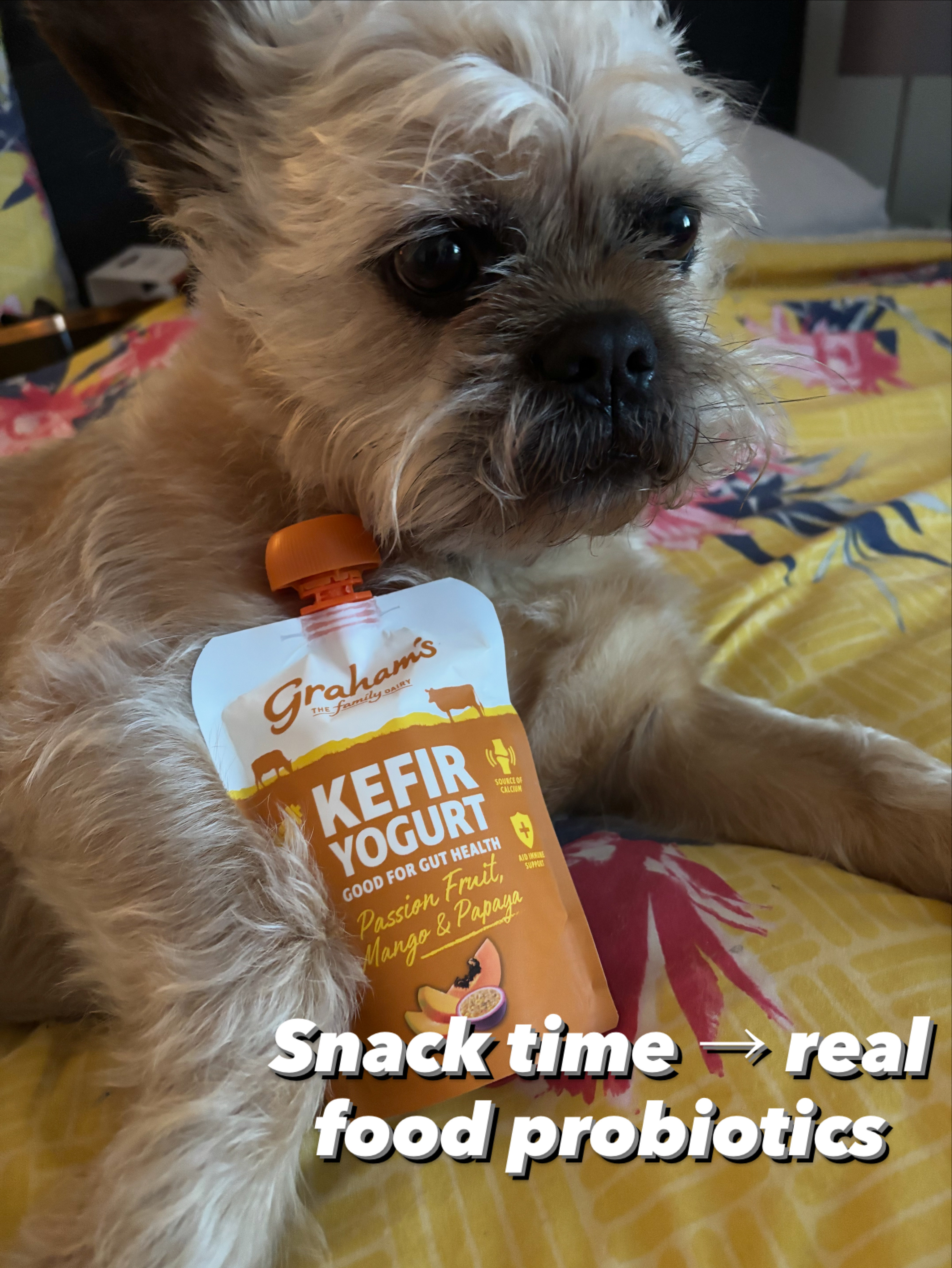
These are food products with a genuine clinical rationale — not health halos, not marketing claims. Each one earns its place here on ingredient quality, production method, and relevance to the body systems covered in the TDG framework.
Parabens are absorbed through the skin at approximately 60% of the applied dose — they have direct oestrogenic activity and have been detected in breast tissue samples. Phthalates, hidden under the label "fragrance," are anti-androgenic, disrupt thyroid hormone metabolism, and are found in the urine of over 95% of Western adults. Oxybenzone in chemical sunscreens enters systemic circulation within two hours of application. These are not theoretical risks — they're measured biomonitoring outcomes.
The clinical impact is most significant for anyone with impaired oestrogen clearance (visible on DUTCH as elevated 4-OH oestrogen or poor 2-OH:16-OH ratio) or confirmed HPA axis dysregulation. Reducing the daily chemical load is one of the most controllable environmental variables in a functional medicine protocol — and one of the most consistently overlooked.