Test, Don't Guess.
Your tests came back normal. You don't feel normal. There is a gap between what conventional medicine measures and what optimal health actually looks like. We close that gap.
You don’t have to start with five tests.
Most people start small. Each step tells you whether the next one is worth it.
See every step and what it costs · See a sample report (fictional client)
Where do you want to start?
Whether you're ready for the complete clinical investigation or want to start with gut health, stress, or resilience — there's a clear path forward. Every programme’s fee is credited in full toward the TDG if you upgrade within 60 days.
Test, Don't Guess Programme
Five functional tests run together and read together across gut, hormones, metabolism and immune function, with your history, into one written protocol.
The Resilient Gut System™
16-week structured gut health coaching programme. The Map, The Investigation, or The Case — from self-directed study to full GI-MAP testing and clinical oversight.
The Resilient Stress System™
16-week stress programme. Works from your cortisol pattern — high output, a disrupted rhythm or low output — towards stress resilience, with optional DUTCH Plus hormone testing and practitioner oversight.
The same five tests. Different entry points.
Weight loss resistance and adult neurodivergence are two of the most underserved areas in mainstream medicine — and two of the areas where functional testing reveals the most. The TDG system approaches both through the same rigorous five-test methodology. These pages explain how.
Why diets stop working.
Five distinct physiological patterns block fat loss regardless of how carefully you eat. Insulin resistance, HPA axis dysregulation, thyroid insufficiency, gut dysbiosis, and systemic inflammation — each requires a specific intervention. The free 18-question Pattern Finder identifies which is dominant for you.
The diagnosis is not the destination.
Gut, blood sugar, sleep, nutrient status and stress are worth checking alongside medication and mental health care — not instead of them. The free screen helps you decide what to look at first.
Run simultaneously. Read together.
The power is in the cross-referencing. Each test reveals what the others can't — and patterns across all five reveal what none could identify alone.
Five stages. One clinical investigation.
This is not a consultation followed by a report. It is a structured clinical investigation that reads your biology completely before prescribing anything.
Your Case File: six core forms covering symptoms, history, lifestyle, stress, nutrition and gut health, with more if your case needs them. Stephen reads every form personally before your first consultation. Nothing automated.
Test kits posted directly to you. Blood draw coordinated through your nearest clinic. All five tests run in parallel — results typically returned within 2–3 weeks.
Results run through the TDG Clinical Platform, cross-referencing all five tests against your Case File. We look for the results that agree with each other and with your story, and decide what comes first.
A structured, periodised clinical programme built entirely from your data. Nutrition matched to your Metabolic Nature. Supplements only where a finding supports them, each with its evidence grade. Lifestyle sequencing. Nothing generic.
Regular check-ins, protocol refinement as you respond, structured re-assessment. The 120-day red blood cell cycle means meaningful change takes time. We track the right markers at the right intervals.
Clinically-directed AI vs generic tools
Every health company now says "AI-powered." The distinction that matters is whether the AI is retrieving information from public data or applying one practitioner’s graded clinical positions, with a human behind it.
| Capability | Generic AI / ChatGPT | Detective Health Platform |
|---|---|---|
| Reference ranges | Published population standards | Lab ranges plus working bands, each with its source shown |
| Cross-test pattern recognition | Cannot integrate multiple test types | Purpose-built tools that read all five tests together |
| Biomarker conflict resolution | May give contradictory advice | Conflict rules written by one practitioner, from nearly forty years working with people |
| Clinical context | Generic, no patient history integration | Your Case File (six core forms, more if needed), read personally before any analysis |
| Protocol sequencing | Not available | Periodised, shortest-stave-first sequencing |
How the TDG approach works
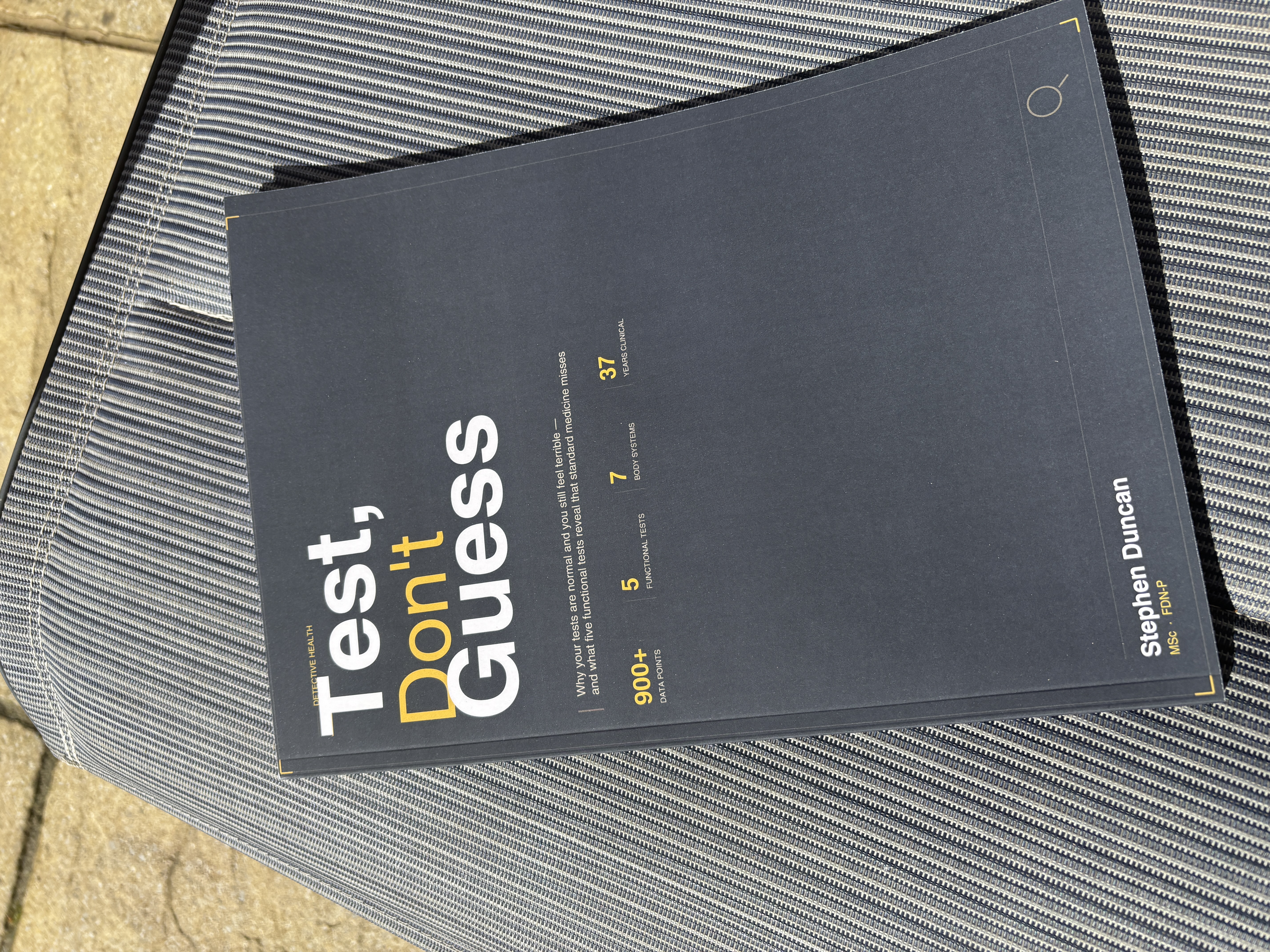

Test, Don't Guess
Why your tests are normal and you still feel terrible.
The complete framework behind every clinical investigation I run. How five functional tests — blood chemistry, GI-MAP stool analysis, DUTCH Plus hormones, organic acids, and food sensitivity — are read together into a single coherent picture.
Written by a practitioner who has worked with people since 1988 and as an FDN-P since 2009. Not theory — method. The same approach applied to every client who walks through the door.
Available worldwide · Amazon paperback · Searchable HTML + PDF digital edition
Working with people since 1988. An FDN-P since 2009.
Stephen Duncan is a Functional Diagnostic Nutrition Practitioner (FDN-P) with a BSc Hons in Developmental Biology, an MSc in Coaching Studies & Applied Physiology (Heriot-Watt University), and nearly forty years of working with people in health and fitness — including competitive boxing, athletics coaching from age 18, testing first since 1994, and an FDN-P since 2009 in Edinburgh.
Six years of university study included three years of psychology — a thread that runs directly through how the TDG methodology is applied: every client is read as an individual, every protocol is sequenced to meet the person where they are, and the clinical process is as much about understanding human biology as it is about understanding the human.
The platform was built because nothing like it existed. The graded clinical positions, working bands and conflict resolution logic were built by Stephen over decades of practice. The AI accelerates interpretation and synthesis. It cannot be replicated by asking ChatGPT the same question.
Stephen co-founded Omnos, an early functional lab data platform. Earlier in his career, he ran Balanced Fitness in Edinburgh, a centre with personal trainers, physiotherapists, osteopaths, chiropractors and massage therapists.
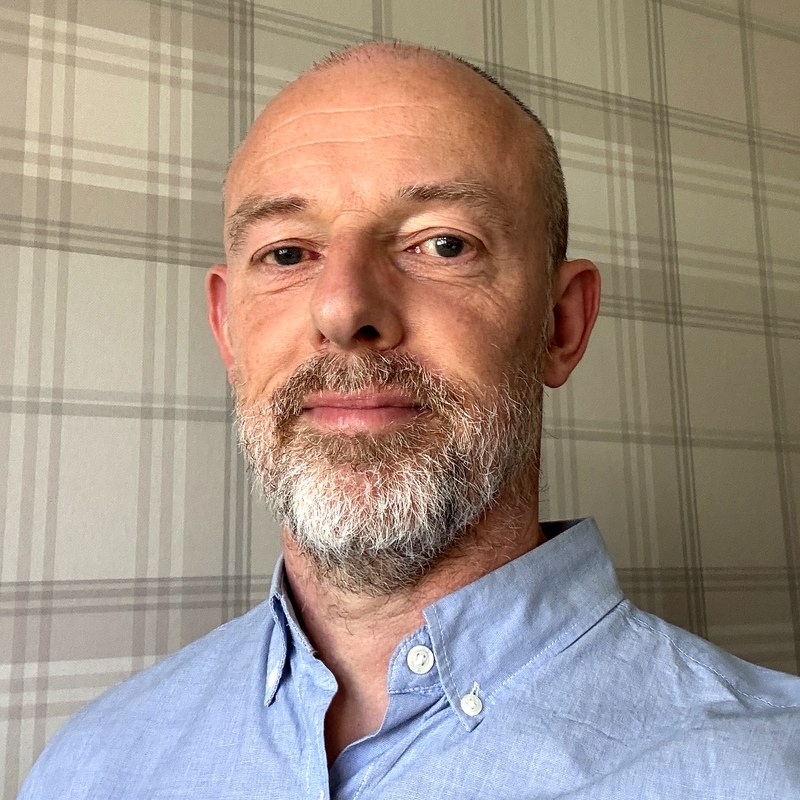
“You are and have been for five years the highlight of my week, every week. Your extensive knowledge has enabled me to live a life I couldn’t have anticipated.”
Long-term client · Five years · Shared with permission
Read more client reviewsEverything you need to know
Stop guessing. Start knowing.
A free 20-minute call with Stephen. You explain what's been going on. He explains how the TDG system would approach your specific situation. No obligation — we confirm the fit before anything else.